
How tracking your muscle mass can help you stay strong, active, and independent as you age
When people talk about getting fit, most of the attention goes to weight, calories, and fat, and how much we have lost or gained. But these alone don’t reveal how strong or healthy our bodies truly are. One of the most important yet often overlooked indicators of health is a measure called the muscle mass. This single number can reveal a great deal about your body’s strength, vitality, and even the rate of your aging.
What Exactly Is a Muscle Mass?
Your muscle mass is a measure of how much muscle mass your body contains. It gives a clearer picture of your physical fitness than body weight alone. Many modern weighing machines at gyms, clinics, and health centers can calculate this mass using a technology called bioelectrical impedance analysis. The machine sends a tiny, harmless electrical signal through your body. Because muscle conducts electricity better than fat, the machine can estimate how much of your body weight is made up of muscle. The result is displayed as your muscle mass, a kind of strength index that reflects the quality of your body composition.
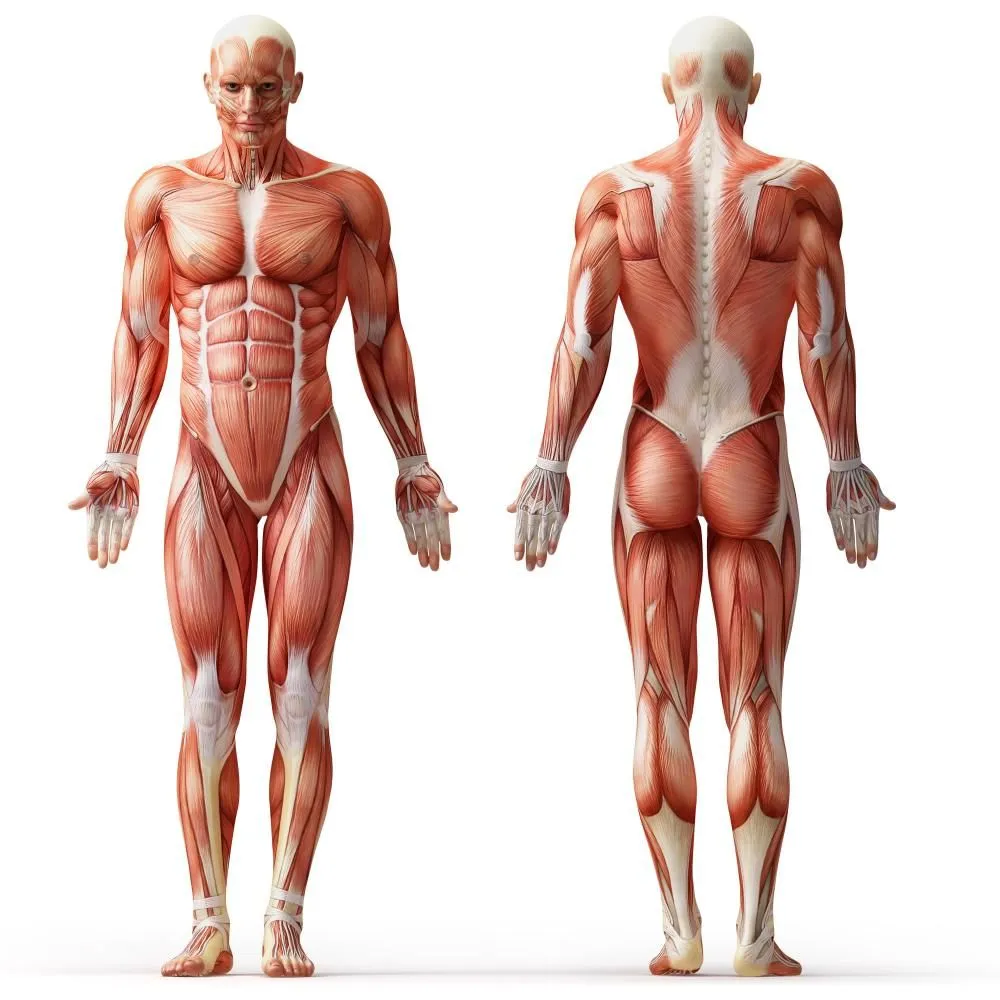
A higher muscle mass means your body has a greater amount of lean muscle, which supports strength, stability, and metabolic health. A lower mass suggests that your body has less muscle mass, something that can affect your energy levels, mobility, and long-term wellness.
Why Muscle Mass Matters as We Grow Older
After about the age of thirty, our bodies begin to lose muscle naturally — a slow process known as sarcopenia. Without regular activity or proper nutrition, this decline becomes faster with age. By the time a person reaches fifty, they may be losing several percent of their muscle mass every decade. This gradual weakening affects far more than just appearance.
When muscles weaken, the bones they support also lose protection, increasing the risk of fractures and falls. Everyday tasks like climbing stairs, lifting a bag, or getting up from a chair — can start to feel heavier than before. Metabolism slows down, too, which means the body burns fewer calories, making it easier to gain fat and harder to maintain a healthy weight. In short, the loss of muscle affects independence, balance, energy, and even mood.
That’s why keeping an eye on your muscle mass can be a powerful tool for healthy aging. It allows you to see not just how much you weigh, but how well your body is built to handle life’s physical demands.
What a Good Muscle Mass Means
There isn’t one single number that defines a “good” muscle mass because everyone’s body is different. Age, gender, and genetics all play a role. For younger adults, a higher mass usually reflects greater strength and muscle density. For older adults, the goal is not to compete with younger numbers but to maintain stability, to prevent a downward slide in muscle mass over time. A consistent or slowly improving muscle mass indicates that the body remains strong, active, and metabolically healthy.
How to Improve and Maintain Your Muscle Mass
The good news is that improving your muscle mass does not require intense bodybuilding or hours in the gym. What matters most is regular movement, balanced nutrition, and good rest. Simple strength-based activities like brisk walking, climbing stairs, light weight training, yoga, or resistance band exercises can all help stimulate muscle growth and prevent loss. The key is consistency rather than intensity.

Diet also plays a central role. Muscles are built from protein, so it’s important to include enough of it in your daily meals. Foods like eggs, pulses, fish, milk, tofu, and nuts support muscle repair and growth. Staying hydrated and getting adequate sleep further support this process by helping the body recover and maintain energy balance.
A Lifelong Investment in Strength
Monitoring your muscle mass from time to time can show you how well your efforts are working. Even a small improvement is meaningful because it reflects better strength and vitality beneath the surface. The benefits of a healthy muscle mass go far beyond toned arms or firm legs; it influences how you move, how you feel, and how independently you can live as you age.
Healthy aging is not just about living longer; it’s about living stronger. Building and maintaining muscle keeps you active, confident, and capable in your everyday life. So, the next time you step on a weighing machine or calculate calories, remember that the number that truly matters might be your muscle mass.
Strong muscles mean strong living – at every age.