Artificial intelligence can design a diet, build your workout, and talk like an expert, but it still doesn’t understand your body. Here’s why human judgment matters more than machine-generated fitness advice.
Artificial intelligence has transformed the way people approach health and fitness. With a few typed commands, one can receive a detailed diet chart, a customized workout routine, or even a wellness plan tailored to personal goals. This digital guidance feels efficient and personalized, but beneath the surface lies an uncomfortable truth: AI, no matter how advanced, cannot always be trusted when it comes to human health and well-being.
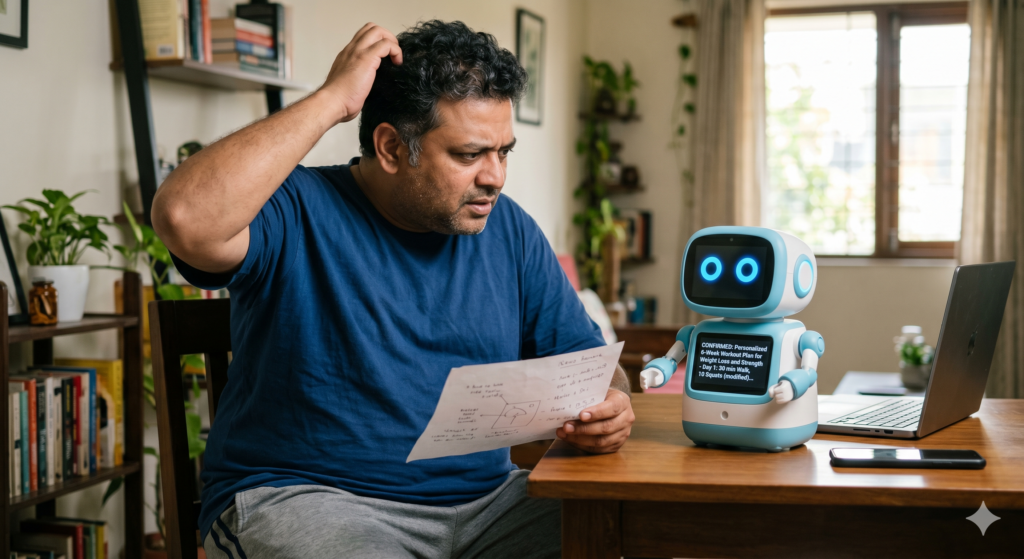
The main reason lies in the way AI systems function. These models do not understand the body, emotions, or individual differences; they merely generate responses based on patterns found in data. When someone asks an AI for a workout plan or a diet, it responds using general information drawn from countless online sources, many of which may be outdated, biased, or inconsistent. The result is advice that sounds convincing but may not be accurate or safe for every person. AI lacks the ability to assess medical history, current physical condition, or hidden health issues that could make certain exercises or dietary recommendations harmful.
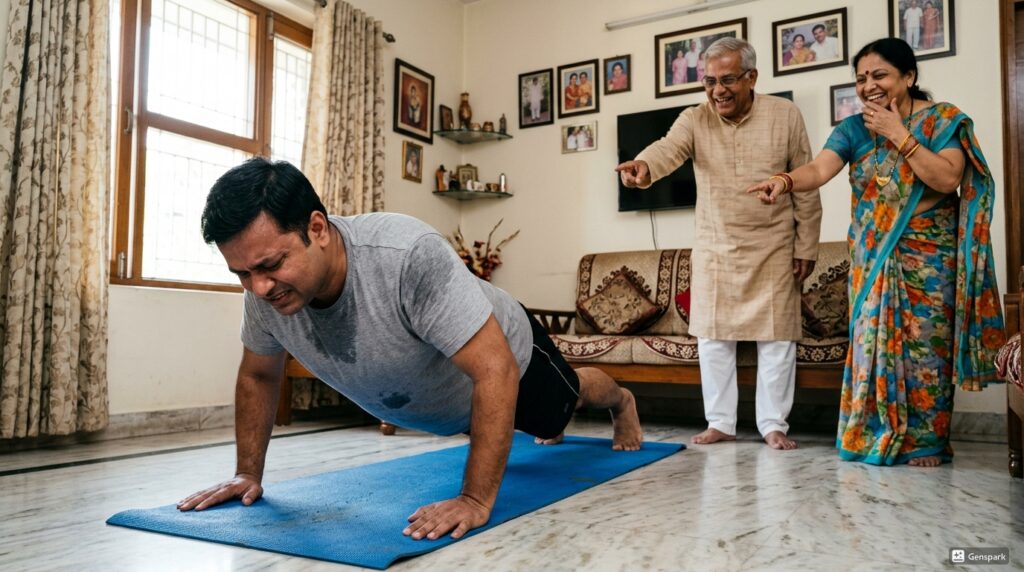
Moreover, AI’s confidence can be deceptive. It presents its answers fluently and with authority, which often makes users believe the information must be correct. Yet, this confidence is not backed by genuine understanding or professional evaluation. For instance, an AI might recommend an intense training schedule to someone recovering from an injury, or suggest a diet that drastically reduces calorie intake without considering nutritional needs. Such guidance, if followed without verification, can lead to exhaustion, muscle strain, or nutrient deficiencies. The risk grows even greater when people rely on AI for advice on supplements or medical symptoms, areas that require expert judgment and scientific precision.
At Dashfit, AI is not someone who tells you what to do. It is someone who understands the customer’s muscle score, looks at their weekly schedule, and suggests a muscle activation drill that often gets ignored. And every suggestion is reviewed and signed off by a trainer. The AI acts as an assistant, not the trainer itself.
Another problem is that AI cannot adapt in real time to how the human body responds. A certified trainer or nutritionist observes progress, adjusts routines, and provides emotional support when motivation drops. AI, on the other hand, operates without empathy or real-time feedback. It cannot notice signs of fatigue, overtraining, or stress. It also fails to account for the psychological side of fitness , the way motivation, confidence, and mental well-being influence physical results. In this sense, AI lacks the holistic understanding that true wellness requires.
The recent disruptions in AI-generated responses have made it clear that these systems are still prone to mistakes. Even small inaccuracies in data or misinterpretations in the model can lead to misleading advice. For health-related matters, such errors carry far greater weight than they would in casual conversation. What might seem like a harmless miscalculation in a calorie count or exercise duration could actually put someone’s health at risk.
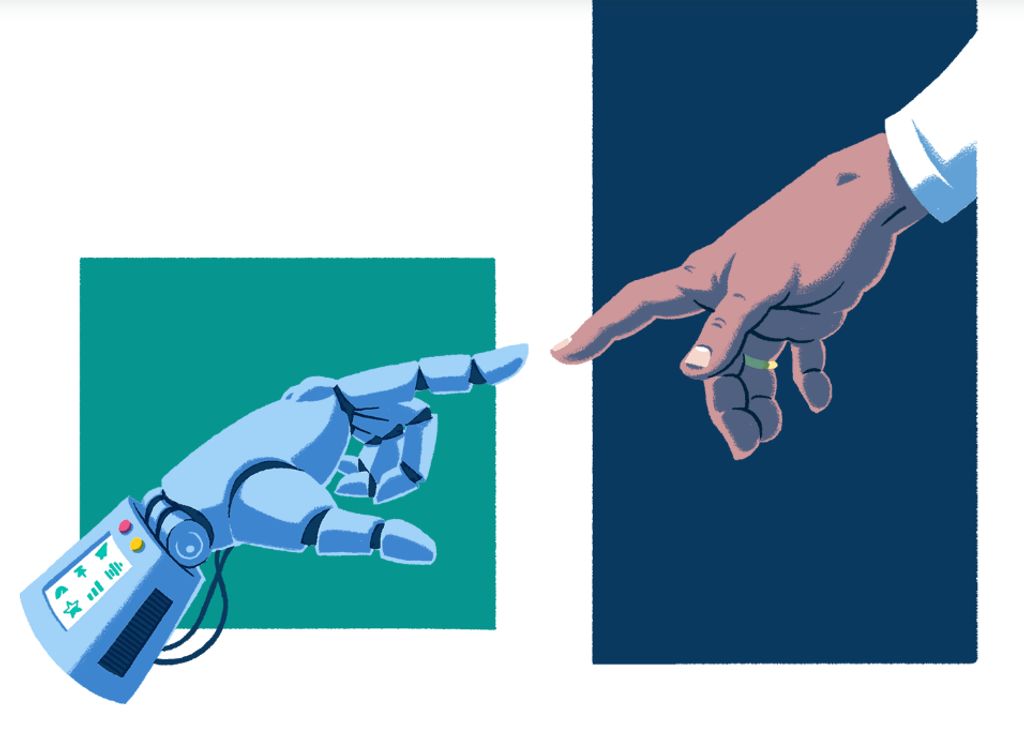
Despite these flaws, AI can still play a useful role when approached wisely. It can simplify complex health information, offer basic education about fitness concepts, and provide general motivation. But it should be seen only as a tool, not a replacement for human expertise. Anyone seeking to make meaningful changes to their body or lifestyle should confirm AI-generated advice with a doctor, nutritionist, or fitness professional. Responsible use means treating AI as a guide, not as a final authority.
In essence, while artificial intelligence has the potential to make health and fitness knowledge more accessible, it remains far from reliable in ensuring personal safety or accuracy. Human bodies are unique, influenced by countless biological and emotional factors that no algorithm can fully capture. Trusting AI without human oversight risks turning helpful technology into a source of harm. True wellness demands not just information, but understanding, something only human insight can provide.